
Zobaczyłam obrazy Magdy Kwapisz Grabowskiej i od razu przepadłam bez reszty, uznając ich doskonałość artystyczną w każdym calu i detalu, szczegółach i sposobach zakładania kompozycji. Ten styl i te figuracje to malarstwo najwyższych lotów, co należy rozumieć nie tylko przez pryzmat świetnych koncepcji spełnianych z lekkością i swobodą w bardzo osobliwym i oryginalnym stylu. Widziałam wiele obrazów do tego gatunku zaliczanych, ale tak kształtowanych sylwetek postaci ludzkich i kobiecych jeszcze nigdy. Kolor i jego intensyfikacje niczym natężenia tembru w muzycznych zestrojeniach, połączenia, temperatury, relacje świateł i cieni. Syntetyzowanie, odrealnianie, skłonności do umiarkowanych geometryzacji, abstrakcjonizowania, odkształcania, chaotycznego i zdynamizowanego traktowania czy opracowywania form. Dekorowania zręcznością szczegółów tworzących zjawiskowe pokazy kreacji, strojów, ubiorów, fryzur, akcesoriów i dodatków, atrybutów, elementów dopełniających całości wymowy ideowej albo treści w układach malarskich. Wzmacniających i nadających sens wydźwięków symbolicznych, cechy ukazywanych postaci. Lotne i błyskotliwe scenki, figury pozbawione oczywistych względów anatomicznych, a jednak niewzbudzających wątpliwości co do własnego pochodzenia z natury i jestestwa. Mają w sobie jakąś mistrzowską wirtuozerię, której ni jak jeszcze nie potrafię doprecyzować słowami. Tkwi w tym jakaś genialna kreacja artystyczna, która pozwala tworzyć w tym fenomenalnym jak dla mnie stylu!
Baletnice, tenisiści i sportowcy. Bohaterki z najsławniejszych oper niczym “Carmen”. Śpiewaczki, kompozytorki i sławy estradowe jak Nina Simone, arlekiny jak u Picassa, artystki o międzynarodowej sławie jak Frida. Pastisze jej dzieł, Velazqueza z infantkami, Vermeera, Moneta, Goi, Fragonarda, Rembrandta, Rousseau, Tamary Łempickiej, Rogiera van der Weydena, Józefa Chełmońskiego, Otto Dixa, Touolusa Lautreca, Egona Schielego, Ingresa, Maneta, Gustava Klimta, Leonarda da Vinci, Olgi Boznańskiej, Magritta, Roya Lichtensteina. Diwy ślubne i diwy modowe jak z pokazów najbardziej cenionych projektantów i projektantek w pokroju Coco Channel. Gwiazdy i ikony kina. Inspiracje znanymi produkcjami filmowymi jak “Gwiezdne wojny”. Wizerunkami zasłużonych dla ludzkości i nauki jak Mikołaj Kopernik. Monarchiń z kart dziejów historycznych jak Elżbieta I Tudor. Inspiracje malarstwem religijnym. Kulturą azjatycką i stylem gejsz w kulturze Japonii. Etnicznością “Kobiety Panamskie” Postaciami fikcyjnymi i baśniowymi jak Czerwony Kapturek czy Pippi Langstrung. Lotami kosmicznymi i podbojami przestrzeni kosmicznych. Subtelne akty.
Historia sztuki jest kobietą - Strona poświęcona sztuce i jej związkom z życiem
Kwapisz-Grabowska’s painting focuses on the construction and deconstruction of the human figure and consciousness. Bodies that are rendered in an almost topographic fashion are splayed out across the picture. Using a chalky, limited palette Kwapisz-Grabowska creates human forms that are sculptural yet flat, anonymous yet familiar. Her art explores our world, our personality, and our vision of ourselves. She employs a particular distortion that delivers an everyman to her audience, an intimate humanoid vessel representing the spirit of any one of us. Expressively posed figures overlap and coalesce with limbs that curl and turn back towards the body. Large expanses of color are rendered with a chiaroscuro forming cavernous shadowy pockets that draw our awareness in. These areas are complemented by the ambling scrawled linework that add definition to the composition.
Personally look at her work, not as an interesting abstraction of the human form, but sense of using the human form to evoke deeper pools of thought and emotion. There is a "dark side" to her painting that drew me to her. Her work is very mature and loaded with visual clues and ambiguities. I see something deeper, every time.
I look at her work. This is what makes great art.
by Frederick Bidigare AWS, artist and collector
Nominated by art critics and collectors alike for the exhibition in POSK Gallery, in London, Magdalena Kwapisz-Grabowska places a woman in the center of her artistic practice. She is fascinated not only by female bodies, but explores the world of woman emotions and search for identity. Kwapisz-Grabowska’s art is never obvious, because her paintings remain in between figuration and abstraction, drawing a thin line between beauty and ugliness. One can find many body parts suggestions across the artist’s canvases. Nipples, feet, hands, hair, but what Kwapisz- Grabowska tries to capture is a female body, with its constant metamorphosis, which leads to the continuous transformation of personality. Looking at her works is akin to witnessing the creation process, search for identity and ‘the process of becoming’. The spectator can feel anxious, because of synthesis and deformation, two of the artist’s favourite strategies. This unique, intimate atmosphere is intensified by her exploration of colour. Gray, white and black are counterpointed by strong pink and red accents. The artist experiments with paint layers, covering her canvases unevenly, sometimes with strong, impasto brush strokes, sometimes gently, like in a watercolor. She has developed her own painting style, in which she remains truly consistent. Kwapisz-Grabowska painting stands in broader Polish and global artistic context.
She is influenced by Teresa Pagowska, a prominent Polish painter and the leading personality of the New Figuralism movement. Echoes of Tadeusz Kantor’s esthetics are also apparent, especially of his informal period. Major European 20th century art icons, like Francis Bacon, had strong impact on her. Kwapisz-Grabowska shares a similar, brutal way of handling a human figure, deformation, love of colour and smooth backgrounds, leaving painted figures out of context. Some of those backgrounds are just unprimed canvases, another similarity with Bacon. The Polish painter challenges the long tradition of female nude, which has always been a domain of male academic artists. She follows the nude iconography laying women models down, undressing them, but she confronts the whole tradition from a different, woman perspective.
Kwapisz - Grabowska’s art is never obvious, because her paintings remain in between figuration and abstraction, drawing a thin line between beauty and ugliness. One can find many body parts suggestions across the artist’s canvases. Nipples, feet, hands, hair, but what Kwapisz- Grabowska tries to capture is a female body, with its constant metamorphosis, which leads to the continuous transformation of personality. Looking at her works is akin to witnessing the creation process, search for identity and ‘the process of becoming’. The spectator can feel anxious, because of synthesis and deformation, two of the artist’s favorite strategies. This unique, intimate atmosphere is intensified by her exploration of colour. Gray, white and black are counterpointed by strong pink and red accents. The artist experiments with paint layers, covering her canvases unevenly, sometimes with strong, impasto brush strokes, sometimes gently, like in a watercolor. She has developed her own painting style, in which she remains truly consistent.Kwapisz-Grabowska painting stands in broader Polish and global artistic context. She is influenced by Teresa Pagowska, a prominent Polish painter and the leading personality of the New Figuralism movement. Echoes of Tadeusz Kantor’s esthetics are also apparent, especially of his informal period. Major European 20th century art icons, like Francis Bacon, had strong impact on her. Kwapisz-Grabowska shares a similar, brutal way of handling a human figure, deformation, love of colour and smooth backgrounds, leaving painted figures out of context. Some of those backgrounds are just unprimed canvases, another similarity with Bacon. The Polish painter challenges the long tradition of female nude, which has always been a domain of male academic artists. She follows the nude iconography laying women models down, undressing them, but she confronts the whole tradition from a different, woman perspective.
by Michalina Sablik, Bohema Nowa Sztuka, Warsaw, Poland
Ostania wystawa Magdaleny Kwapisz-Grabowskiej w Galerii Sztuki Platon pod tytułem „Figury-Ikony” odbyła się w maju 2018 roku. Artystka zaprezentowała wówczas obrazy-portrety znanych kobiet ze świata sztuki i kultury. Widz został wówczas skonfrontowany z dwojakim przedstawieniem kobiecych postaci. Każda z bohaterek – „Ikon” ukazana została w sposób bardziej realistyczny, po to by następnie przekształcić się w swoją „Figurę”. Figury były zatem swoistą esencją i syntezą Ikon – ich neo-figuracją -, zbudowane z plam barwnych i zgeometryzowanych form. Poprzez ten specyficzny malarski proces eliminacji i syntezy, artystka „odrzuciła” wszystko to, co było zbędną „dekoracją” , by zbliżyć się do czystej formy, „otrzeć” się o abstrakcję, a poprzez nią do bezpretensjonalności i prawdy.Inspiracją do najnowszej wystawy artystki “(Nie) Moje obrazy” stały się tym razem ikoniczne dzieła sztuki różnych epok, bardzo dobrze znane szerokiej publiczności. Projekt może zaskoczyć widza zarówno samym tematem jak i jego realizacją. Sama Magdalena Kwapisz-Grabowska zauważa, że „tożsamość”, „chaos” i „muzyka” były dla niej „pojęciami-bytami”, niezmiennie – wręcz obsesyjnie – towarzyszącymi podczas pracy nad obrazami. Każde z tych pojęć odnosi się do problemów – nazwijmy je – „natury twórczej”, z którymi musiała zmierzyć się artystka w trakcie malowania.Kwapisz-Grabowska zdaje sobie sprawę z niebezpieczeństwa jakie niesie za sobą malowanie obrazu, dla którego punktem wyjścia jest inne (bardzo znane) dzieło sztuki. Stąd budzące się w artystce wątpliwości i pytania o zasadność jej malarskiego projektu; „ (…) czy tożsamość artysty może być budowana na dorobku innych artystów. Czy „używanie” najwybitniejszych, najdroższych, najbardziej znanych obrazów wszech czasów nie jest czasem świętokradztwem. Bezczelnością ?!(..)” – pyta artystka. Jednakże, podobnie jak w innych dziedzinach tak i w malarstwie każde kolejne pokolenie artystów „stoi na ramionach” tj. „spuściźnie” swoich poprzedników, czerpiąc nie tylko inspiracje ale i naukę z twórczości dawnych Mistrzów.Malarka jest jednak świadoma jak łatwo można ulec doskonałości „skończonego dzieła”, być przezeń „porażonym”, toteż zauważa:„(…)proces powstawania obrazów nie zawsze był łatwy. Niektóre obrazy powstawały przez wiele dni, bo siła oryginałów była tak ogromna, że nie pozwalała na kreatywność, a wszelkie próby szły w kierunku nieudolnych, być może, kopii. Musiałam na chwilę zapomnieć, pozwolić zadziałać wyobraźni, zostawić w umyśle jedynie mgliste wspomnienie dzieła i jeszcze raz przystąpić do pracy.” I tu wkrada się element „kontrolowanego chaosu”.
Gym czyli sport. Postacie ludzkie zatrzymane w ruchu, umieszczone w odrealnionych przestrzeniach sal gimnastycznych. Ruch zatrzymany w kadrze. Świadomy zabieg to użycie trzech kolorów - białego, czarnego i czerwonego czyli trzech żywiołów powietrza, ziemi i ognia - głęboko atawistycznych cech egzystencji ludzkiej. Być może jednak właściwsze jest tu odwołanie się do filozofii Platona gdzie doskonałość ciała w sporcie i duchowość stanowią zintegrowaną całość i przybliżają byt ludzki do absolutu, do harmonii idealnej czyli tak zwanego Areté człowieka. Gym pochodzi od greckiego gymnasium, a wcześniej jego etymologia sięga greckiego słowa gymnastike od Gymno-, czyli ‘nagi, goły’ (bo w starożytnej Grecjii wykonywano ćwiczenia cielesne bez ubrania) i astikos ‘uporządkowany, systematyczny’. Obecnie natomiast, w języku angielskim, określa salę gimnastyczną, siłownię, ale także samą czynność czyli gimnastykę.
...w moich obrazach deformacja jest świadoma. Pozwala odbiorcy na poszukiwanie znajomych kształtów - jest rebusem. Chcę stworzyć świat będący odbiciem rzeczywistości, ale takiej, która będzie uformowana według nowych zasad – moich własnych. Dążę do stworzenia pewnego rodzaju estetyki poza ogólnie przyjętymi normami. Estetyki
łączącej w jedno piękno i brzydotę, ruch i spokój, poziom i pion. Moje obrazy to swoisty rodzaj poszukiwania jedności dualizmów.
...interesuje mnie człowiek. Interesuje mnie kobieta. Ciało kobiety jest plastyczne, pełne miękkich linii, krągłości. Charakterystyczne jest to, że w drodze ewolucji mojego malarstwa twarz czy inny detal anatomiczny staje się zbędnym szczegółem. To już nie jest kobieta w
całej swej cielesności, to symbol, parafraza, raczej archetyp kobiety - znak. Kobieta poza czasem.
...malowanie to moja walka: jednolity kolor podobrazia ... i przyczajony obraz. On już tam jest, ja muszę go tylko wydobyć. Dlatego niektóre obrazy albo ich fragnenty powstają jakby muśnięte
farbą, a inne miesiącami, czasami nawet latami, wyłaniają się z zaschniętych warstw. Zawieszone w poszukiwaniu prawdy uniwersalnej albo o mnie albo o życiu. Nadchodzi taki jeden
moment i wtedy wszystkie elementy zaczynają pasować, a ja osiągam stan wewnętrznego spokoju czyli obraz jest skończony.
...lubię farbę olejną, jej kleistość i zapach, lubię
malować rękoma. Surowe płótno o pięknym i szlachetnym odcieniu szarości, które buduje formę moich obrazów ma znaczenie nie tylko estetyczne. Chodzi mi raczej o zabieg
wycięcia postaci z płaskiego, jednolitego tła i oddania przez to efektu znaku, a co za tym idzie alienacji oraz wyciszenia.
Artysta
Pippi Langstrumpf to fascynacja mojego dzieciństwa, jest szalona, kolorowa, różnorodna, totalna, abstrakcyjna, feministyczna, niezależna, zabawna, piegowata...
Pippi jest też osią mojej wirtualnej wystawy, a właściwie jej warkoczyki, to one wytyczają horyzontalny kierunek tour'u po galerii. Najpierw wkraczamy w wieki dawne i ciemne, malarstwo Rogiera van der Weydena, Francisco de Goya czy Diego Velázqueza... i pojawia się nasz pierwszy celebryta, nieco zalotny Mikołaj Kopernik (....podobno był kobietą). Następnie znienacka wyłaniają się figury zaczerpnięte wprost z popkultury, ciemny Darth Vader i świetlista Leia Organa. To dzięki niej łagodnie wkraczamy w pełen prostoty i spokoju orient, której symbolem jest dla mnie Gejsza. Gejsza to znak, koło i trójkąt, pierwiastek męski i żeński, Yin i Yang czyli wszystko zawarte w jednym minimalstyczntm kształcie. Natępnie otwiera się przed nami świat sportu, który interesuje mnie nie tyle w warstwie poznawczej co teoretyczej, jako platońskie połączenie idealu ciała i ducha. Golf, tenis, siłownia, a esencją takiego przedstawienia jest cykl Gym, figury w trzech kolorach, ruch zawarty w kadrze. I w ten sposób pojawia się nasz kolejny celebryta, tenisista Andre Agassi. Następnie to figury baletowe. Balet to sztuka i sport równocześnie, połączenie w jedność stalowych mięśni oraz lekkości i gracji ruchu. Dalej, po tenisiście, w szeregu, śpiewczka, być może to diva operowa Maria Callas. Kolejne obrazy to luźne wariancje w kwestii koloru i kształtu, w tym temacie także moja (już kolejna) interpretacja słynnego "Śniadania na trawie" Édouard Manet'a i nieco naiwnego "Marzenia sennego" Henri Rousseau'a. Jest jeszcze szalony Czerwony kapturek i jego historia z przesłaniem nie tylko dla dzieci.Na koniec wchodzimy w początek ubiegłego wieku i ukazują się nam ówczesne ikony. Tamara de Lempicka w szmaragdowej zieleni, tweedowa Coco Chanel oraz krwista Édith Piaf. Kobiety, które nie bały się żyć i niczego nie żałowały.
No i taka to jest wystawa na ten trudny czas... jak piegi Pippi.
Figures in diversity czyli figury w różnorodności...virtul exhibition
Julia Kristeva, jedna z najbardziej wpływowych myślicielek współczesnego feminizmu, zauważyła kiedyś, że "kobieta jako taka nie istnieje". Rzecz oczywiście nie w fizycznym braku osób płci pięknej, lecz w płynnym charakterze ich osobowości. Jako podmiot kobieta ciągle definiuje się na nowo. Uczone rozważania Kristvej przemknęły mi przez głowę, gdy spojrzałem na obrazy Magdaleny Kwapisz - Grabowskiej. Mam bowiem wrażenie, że w jakimś sensie mówią właśnie o stawaniu się kobiety. Na płótnach powtarza się motyw ciała: rozdrganego, zdeformowanego. Stonowana, pastelowa kolorystyka kontrastuje z położonymi gdzieniegdzie wyrazistymi barwami. Ciała są jakby w ruchu, choć wyrwane z kontekstu, brak im tła i określonej sytuacji, w której akurat się znajdują. Wzbudzają emocje, które trudno nazwać. Płótna w żadnym wypadku nie są ilustracją psychanalitycznych teorii, poruszają po prostu istotną dla każdego artysty kwestię tożsamości. Nad inspirowanymi Lancanem wywodami Kristevej mają jedną poważną przewagę, przyjemnie się na nie patrzy.
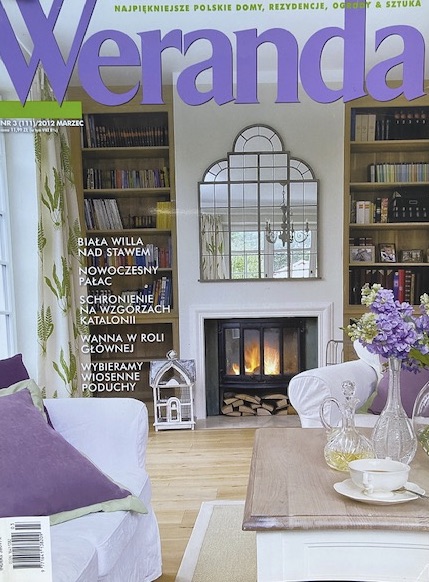
tekst: Magazyn „Weranda”
(...) to cykl kompozycji dedykowanych Kobiecie bądź Lalce, w których kluczowe wydają się być zarówno linia, jak i kierunek horyzontalny, symbolicznie związany z pierwiastkiem żeńskim. Wyczuwalne stają się tu zarazem fascynacje okresem archaicznej Grecji, gdy tworzono smukłe kamienne wizerunki Kor [i Kurosów], wśród nich geometryzującą ale i sensualną „Damę z Auxerre” (VIII w. p.n.e.). Tytuł cyklu „Gym” związany z gimnastyką ciała, a więc i lekko opresyjny aspekt wyobrażeń wydaje się przypominać
XIX-wieczne rozebrane porcelanowe lalki, też obsceniczne, „niekompletne” rzeźby Hansa Bellmera z cyklu „Puppen”, może również osznurowane ciała kobiet na fotografiach
Araki’ego. Intymna, jednocześnie lekka przestrzeń otaczająca sylwety i japońska aura obrazów ewokuje pamięć o zwięzłych jak haiku poematach malarskich Teresy Pągowskiej. Magdalena Kwapisz podkreśla wrażenia jakim uległa oglądając żeńskie Idole Cykladzkie, przypominając o pięknie proporcji uabstrakcyjnionych kamiennych figur.
W jej sztuce urzeka horyzontalne przyleganie do Ziemi (np. „Jak w niebie”), kobiecość - oniryczność wyobrażeń...
tekst: Dr Dorota Grubba-Thiede, Inne / Others Galeria Sztuki Pionova
Anna Brudzińska Katarzyna Cupiał Magdalena Kwapisz Grabowska
(...) Akt w jej interpretacji to harmonia form, barw, głębia spokoju. Kobiety są i jednocześnie nie są obecne na jej obrazach, nigdy nie konstytuują się charakterem twarzy, a raczej żyją jako formy, niemal geometryczne. Trudno nie dopatrywać się wzorca jej twórczości w kontemplacyjnych kompozycjach ikon. Bezkresne przestrzenie tworzące tła nie zawierają się w niebie, ziemi, czy kosmosie, są raczej niepojętym odległym wymiarem. Te medytacyjne wyważenie i spokój noszą znamiona harmonii delikatnych dźwięków albo raczej całkowitej ciszy. Ponieważ tylko cisza może wypełnić bezkres przestrzeni jej obrazów...
tekst: Inne / Others, Galeria Sztuki PIONOVA
“ULTRAMARYNA” w poznańskiej Vinci Art Gallery nawiązuje do koloru
słynnego niebieskiego pigmentu mineralnego stosowanego do produkcji farb. W
średniowieczu i renesansie był to najdroższy dostępny pigment (drugie miejsce zajmowało
złoto) otrzymywany ze skały Lapis lazuli nie występującej w Europie. Stąd pierwotnie
ultramaryną nazywano minerał lazuryt. Często używano go w malarstwie do malowania
szat aniołów lub Matki Boskiej. Ultramarynę ceniono z powodu intensywności koloru oraz
odporności na światło i substancje zasadowe. W początkach XIX wieku odkryto możliwości
syntetycznego wytwarzania ultramaryny, dzięki czemu stała się ona jedną z popularniejszych
substancji barwiących na świecie. Tonacja ultramaryny także stanowiła inspirację dla Artystki i dominuje w znacznej części
prac z jej nowej serii, prezentowanych podczas wystawy.
Tytuły obrazów: Dziewczyna z perłą, Mleczarka, Kobiety w ogrodzie, Coco Chanel, Tamara
Łempicka, Primabalerina, Frida, Dama z łasiczką, Isabella Bourbon, Herlequin, Judith i wiele
innych, nawigują odbiorcę po różnorodnych inspiracjach Artystki, wśród których znajdziemy
słynne dzieła dawnych mistrzów oraz znane z historii kultury postaci – ikony i gwiazdy sceny.
Artystka chętnie też sięga po współczesne motywy związane ze sportem i tańcem – seria
GYM, tenisistka, balet. W estetyce jej obrazów dominuje geometryzacja i minimalizacja
kompozycji wskazując na wyraźne fascynacje kulturą japońską – seria KOKESHI, GEISHA.
Prace tworzone są w technice własnej, eksponując często fragmenty surowych płócien. Grają
kształtami blejtramów i wyraźnymi, kontrastowymi kolorami.